
Best Healthy Diet Advice: Simple Eating Tips for Balanced Nutrition. Get Best Healthy Diet Advice Simple Eating Tips Balanced Nutrition in one easy guide to a healthier, happier you.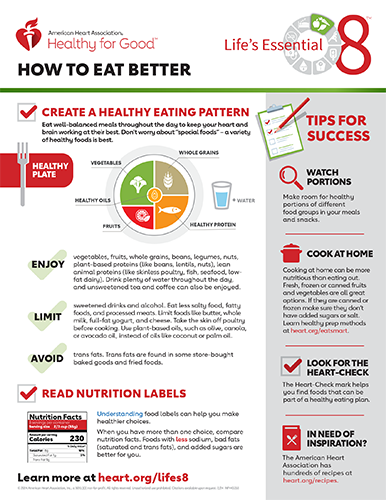
Embracing the Best Healthy Diet Advice: Simple Eating Tips for Balanced Nutrition can transform your daily routine by focusing on whole foods, proper portioning, & mindful habits. In this article, you’ll find clear, actionable strategies that fit easily into a busy schedule. By balancing proteins, fats, & carbohydrates, you can fuel your body effectively while enjoying a variety of flavors. Whether you’re aiming to improve energy levels, support overall health, or maintain a healthy weight, these recommendations blend practical advice with real-life examples. Read on for step-by-step guidance that’s crafted to boost both vitality & wellness in every meal.
Balanced Macronutrient Intake
Achieving balanced nutrition begins with an even distribution of macronutrients. Proteins, carbohydrates, & healthy fats each serve vital roles: proteins support muscle health & immune function, carbohydrates supply energy for daily activities, & fats aid in nutrient absorption & hormonal balance. Aim to adjust your plate so that roughly a quarter is protein-rich, a quarter is complex carbs, & half is colorful vegetables. This distribution promotes steady blood sugar & sustained fullness. Tailoring these ratios to your activity level can provide extra support for workouts or recovery periods. Consistency in this approach helps maintain a harmonious diet & keeps cravings under control during the week.
| Macronutrient | Recommended Source |
|---|---|
| Protein | Lean meats, beans, tofu |
| Carbohydrates | Whole grains, fruits |
| Fats | Avocado, nuts, olive oil |
| Fiber | Vegetables, legumes |
Importance of Whole Foods
Focusing on whole foods ensures you receive essential vitamins, minerals, & antioxidants that processed options often lack. Whole grains like brown rice & quinoa offer sustained energy release, while fresh produce delivers a spectrum of phytonutrients that support cellular health. Minimally processed proteins think wild-caught fish or free-range eggs provide cleaner nutrition with fewer additives. By prioritizing these choices, you reduce your intake of excess sugars, sodium, & unhealthy fats commonly found in packaged meals. Over time, shifting the bulk of your diet toward whole foods can enhance digestion, boost immunity, & make it easier to manage portions without feeling deprived.
Shop the perimeter of grocery stores
Select items with fewer ingredients
Choose seasonal produce whenever possible
Limit sugary beverages & packaged snacks
Incorporate nuts & seeds as nutrient boosters
Smart Meal Planning
Organizing meals in advance reduces stress during busy days & prevents impulsive food choices. Start by outlining breakfast, lunch, dinner, & snacks for the week, keeping balance & portion sizes in mind. Batch cooking proteins like grilled chicken or legumes & prepping chopped vegetables cuts down on prep time. Use versatile ingredients such as frozen spinach or canned beans to build quick recipes. When you plan around your schedule like scheduling a heavier lunch on workout days you can maintain consistent energy. Having meals at the ready also supports cost savings, lowers food waste, & reinforces adherence to the Best Healthy Diet Advice: Simple Eating Tips for Balanced Nutrition approach.
| Day | Planned Meal |
|---|---|
| Monday | Quinoa salad with grilled chicken |
| Tuesday | Oven-baked salmon & roasted veggies |
| Wednesday | Stir-fry tofu with brown rice |
| Thursday | Turkey chili with beans |
| Friday | Veggie omelet & whole wheat toast |
Hydration & Healthy Beverages
Proper hydration supports digestion, temperature regulation, & nutrient transport. Aim for at least eight 8-ounce glasses of water daily, adjusting based on exercise, climate, & personal needs. Infusing water with citrus slices or fresh herbs can add flavor without extra sugar. Unsweetened herbal teas, sparkling water, & diluted natural fruit juices make excellent alternatives to soda. Limiting caffeine & alcohol intake helps reduce dehydration risks & supports clearer skin & improved sleep. By making fluid intake a deliberate part of your daily plan, you’ll notice enhanced alertness, reduced hunger pangs, & overall better performance in both work & workouts.
Start each morning with a glass of water
Carry a refillable bottle throughout the day
Replace sugary sodas with flavored seltzer
Enjoy a cup of chamomile or peppermint tea
"Maintaining consistency in simple dietary changes greatly benefits long-term health."
Ena Conroy MD
Mindful Eating Practices
Slowing down & focusing on your meal can help you recognize true hunger & fullness signals. Before eating, take a moment to breathe & set aside distractions like screens or work tasks. Chew thoroughly, savoring textures & flavors, which aids digestion & enhances the eating experience. Pause halfway through your meal to assess satiety & adjust portion sizes if needed. This practice reduces overeating, improves satisfaction, & helps you enjoy each plate of food. By making every bite intentional, you align your eating habits with your body’s needs & reinforce the principles of the Best Healthy Diet Advice: Simple Eating Tips for Balanced Nutrition.
| Practice | Benefit |
|---|---|
| Eliminate distractions | Increased focus on flavors |
| Chew thoroughly | Improved digestion |
| Pause mid-meal | Better portion control |
| Reflect after eating | Stronger mind-body link |
I’ve personally embraced the Best Healthy Diet Advice: Simple Eating Tips for Balanced Nutrition approach over the past year, noticing a significant boost in my energy levels & focus. Planning meals ahead, tracking water intake, & choosing whole food options has made healthy habits feel natural rather than restrictive. By slowing down to enjoy each bite & listening to my body’s cues, I’ve found greater satisfaction & less desire for processed snacks. This strategy has been simple to sustain & has improved both my mood & overall wellness.
Incorporating Variety
Rotating ingredients keeps meals exciting & ensures a broad intake of micronutrients. Try exploring different whole grains, experimenting with rainbow-colored vegetables, & sampling lean proteins from various sources like legumes, fish, or poultry. Every week, include one recipe from a new culture or cuisine to discover unique spice blends & preparation methods. This approach not only reduces mealtime boredom but also encourages a rich palette of vitamins, minerals, & phytonutrients. Over time, a diverse diet supports gut health, strengthens the immune system, & helps you look forward to each plate rather than viewing eating as a routine task.
Introduce a new vegetable weekly
Swap one grain for an alternative
Try diverse spice mixes or marinades
Sample plant-based protein twice a week
Seasonal fruit dessert rotation
Quick Healthy Snack Ideas
Having nutrient-dense snacks on hand stops hunger from derailing your balanced eating plan. Keep portable options ready: Greek yogurt cups, mixed nuts, fresh fruit, or veggie sticks with hummus. These choices combine protein, fiber, & healthy fats to keep blood sugar stable between meals. Pre-portion servings into small containers to avoid overeating when hunger strikes. By planning snacks that complement main meals, you bridge energy gaps without loading up on empty calories. This simple habit supports sustained focus, improved mood, & a stronger adherence to the Best Healthy Diet Advice: Simple Eating Tips for Balanced Nutrition strategy throughout the day.
| Snack | Key Nutrients |
|---|---|
| Apple slices + almond butter | Fiber, healthy fats |
| Greek yogurt + berries | Protein, antioxidants |
| Carrot sticks + hummus | Fiber, plant protein |
| Trail mix (no added sugar) | Healthy fats, protein |
How to Read Food Labels
Deciphering nutrition labels empowers informed food choices. Start with serving size, as all other values are based on that amount. Check calories per serving, then examine macronutrient breakdown: look for higher protein & fiber content, & limited added sugars. Ingredients appear in descending order by weight shorter lists with recognizable items indicate fewer additives. Pay attention to sodium levels & unhealthy fats like trans fats. By consistently reviewing these details, you select products that align with the Best Healthy Diet Advice: Simple Eating Tips for Balanced Nutrition & avoid hidden calories or preservatives that can undermine your balanced plan.
Identify realistic serving sizes
Compare added sugars across brands
Look for high fiber content
Avoid trans & hydrogenated fats
Frequently Asked Questions
What is the ideal plate ratio for balanced meals?
A common guideline is one-quarter lean protein, one-quarter whole grains or starchy vegetables, & half non-starchy vegetables. This ratio supports steady energy & nutrient balance.
How can I reduce sugar intake without feeling deprived?
Swap sugary snacks for fruit, yogurt with fresh berries, or dark chocolate. Gradually cutting down helps your taste preferences adjust & keeps cravings manageable.
Is snacking between meals healthy?
Yes, when snacks combine protein, fiber, & healthy fats. Proper snacking maintains energy levels & prevents overeating at main meals, as long as portions remain controlled.
Conclusion
Implementing these methods provides a supportive framework for balanced nutrition that fits into everyday life. By focusing on macronutrient distribution, whole foods, mindful choices, & proper hydration, you create sustainable eating patterns without feeling overwhelmed. Experiment with meal planning, explore diverse flavors, & make reading labels a habit to refine decisions. The Best Healthy Diet Advice: Simple Eating Tips for Balanced Nutrition approach is about consistency rather than perfection small improvements over time lead to lasting benefits. Start with one tip today, observe the positive changes, & build on your success for a healthier, more vibrant life.
