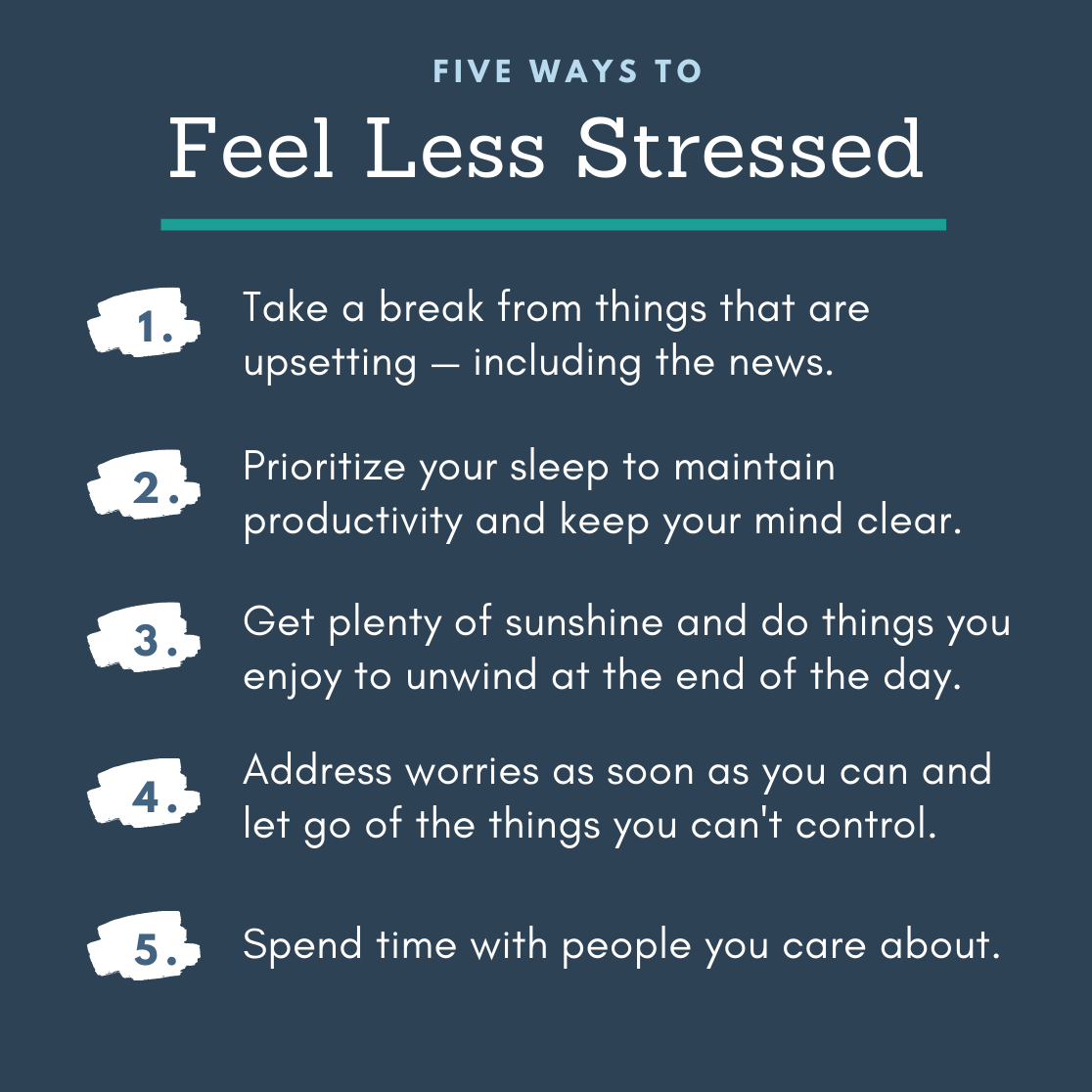
Mental Health Awareness Tips for Employees | Workplace Wellbeing Guide. Discover simple steps for a happier team with our Mental Health Awareness Tips for Employees. Check out the practical Workplace Wellbeing Guide!

Launching a proactive approach to mental health can transform daily routines & enhance overall satisfaction at work. This Mental Health Awareness Tips for Employees | Workplace Wellbeing Guide is crafted to deliver proven strategies, clear examples & step-by-step actions that managers & team members can apply immediately. You will learn how to spot stress signals, foster a positive culture, & connect your team with the right resources. By integrating simple methods such as peer check-ins, mindfulness breaks & flexible scheduling, you will build resilience & boost performance across every department.
Recognizing Stress & Burnout Indicators
| Indicator | Common Signs |
|---|---|
| Emotional Fatigue | Irritability, mood swings |
| Physical Symptoms | Headaches, muscle tension |
| Reduced Performance | Missed deadlines, errors |
| Social Withdrawal | Avoiding team interactions |
Early detection of these signals can prevent a minor dip in morale from turning into a full burnout scenario. Set up regular one-on-one catch-ups where employees feel safe to share pressure points. Encourage use of anonymous feedback tools if direct conversation feels too intense. By tracking stress levels & workload peaks, you will create patterns that highlight when extra support is needed. Include self-assessment surveys that cover sleep quality, mood patterns & energy levels for a holistic perspective.
Building a Supportive Work Environment
- Launch regular wellness events such as yoga sessions or group walks.
- Create quiet spaces or “wellness corners” for brief decompression.
- Offer mental health awareness workshops with certified facilitators.
- Display resources for helplines, online support & local clinics.
- Encourage managers to recognize positive efforts publicly.
A culture that values openness removes stigma around seeking help. Invite team members to share personal tips or routines that helped them maintain balance. Include mental health topics in regular newsletters, & highlight success stories of recovery or improvement. When employees see leadership talking about challenges openly, it models a safe attitude. Peer-based recognition programs can also spotlight positive behaviors like checking in on colleagues or sharing self-care hacks.
Flexible Scheduling & Remote Work Options
| Option | Benefit |
|---|---|
| Compressed Workweek | Longer weekends, reduced commute stress |
| Remote Days | Personalized workspace, lower distractions |
| Staggered Hours | Avoid peak traffic, adjust personal routines |
| Results-Only Work | Focus on deliverables, not clock time |
Allowing flexibility reduces anxiety related to rigid schedules. Conduct a quick survey to identify which arrangements your team values most. Draft clear policies that set expectations for availability, communication & deliverable tracking. Ensure all employees have the tools for remote collaboration, from reliable video links to shared document platforms. When people feel in control of their time, they report fewer stress-related complaints & improved overall morale.
Access to Professional Counseling Services
- Partner with Employee Assistance Programs (EAPs) for confidential sessions.
- Subsidize therapy or coaching credits for staff.
- Promote digital platforms offering licensed mental health support.
- Provide a directory of local counselors & crisis hotlines.
- Share monthly reminders about available counseling benefits.
I often share with teammates how one short session with a licensed counselor helped me shift perspective on work–life balance & reduce daily tension levels. Using professional guidance early prevented stress from affecting my performance & kept me engaged at work. Making these services visible & easy to access encourages everyone to seek help before strain peaks.
“Mental Health Awareness Tips for Employees | Workplace Wellbeing Guide” - Jeffry Lind
Encouraging Peer Support Networks
| Activity | Impact |
|---|---|
| Buddy Check-Ins | Regular emotional support |
| Team Huddles | Shared problem-solving |
| Peer Mentoring | Skill & empathy building |
| Online Community | 24/7 discussion platform |
When employees connect around similar challenges, they feel less isolated. Launch group channels or physical meetups where team members can share coping tips, tools & stories. Pair new staff with experienced colleagues as part of an onboarding program focused on wellbeing. These bonds often translate into reduced turnover & higher engagement scores. Make it clear that peer support is an official part of your mental health toolkit.
Integrating Mindfulness & Microbreaks
- Schedule 5-minute guided breathing sessions twice daily.
- Place reminder prompts for brief desk stretches.
- Share audio clips for quick meditation on company intranet.
- Offer mobile apps with short mindfulness exercises.
- Host weekly “unplug & reset” breaks.
Simple pauses scattered through the day help reduce anxiety spikes. Teach teams easy breathing patterns or visual relaxation techniques. Encourage walking meetings when possible, swapping screen time for fresh air. Document usage rates to show how small shifts prevent fatigue & maintain focus. Over time, microbreaks embed into daily rhythm & become as natural as checking email.
Manager Training for Mental Health Support
| Training Topic | Outcome |
|---|---|
| Active Listening | Improved empathy |
| Identifying Red Flags | Early intervention |
| Referral Processes | Smooth handoffs |
| Privacy Best Practices | Trust-building |
Equip supervisors with clear guidelines on stumbling blocks & sensitive conversations. Role-play scenarios where a team member shows signs of distress & walkthrough response options. Provide resources like conversation scripts & referral checklists. Emphasize confidentiality so employees feel secure when sharing challenges. Continual training updates help managers stay current on trends in mental health care.
Tracking Wellbeing Metrics for Growth
- Use pulse surveys to gauge stress & satisfaction weekly.
- Monitor EAP utilization & feedback scores.
- Track sick days & turnover as indirect wellbeing markers.
- Review participation rates in wellness events.
- Hold quarterly reviews to adjust programs based on data.
By measuring engagement & sentiment regularly, you can spot trends & successes. Leverage dashboards to visualize key performance indicators related to mental health. Share progress with the entire organization, reinforcing that wellbeing is a shared priority. Data-driven tweaks ensure your initiatives remain effective & cost-efficient without losing the human touch.
FAQs
What are simple self-care steps employees can take daily?
Encourage short walks, hydration reminders, & setting clear work boundaries. Small acts such as five-minute breathing cycles & mid-day digital breaks can boost focus & calmness.
How can managers handle a team member showing persistent stress?
Begin with a private check-in, express concern, & offer EAP or counseling resources. Follow up regularly & involve HR if adjustments to workload or environment are needed.
What tools support remote employee mental health?
Platforms like virtual wellness hubs, meditation apps, & anonymous feedback surveys help maintain connection & track emotional wellbeing from any location.
How often should a company review its wellbeing programs?
Quarterly reviews aligned with survey data & participation metrics ensure programs stay relevant & respond to changing employee needs.
Conclusion
Applying these Mental Health Awareness Tips for Employees | Workplace Wellbeing Guide creates a workplace where people feel valued, supported & motivated. From spotting signs early to leveraging peer networks & professional counseling, each strategy builds on the last to form a cohesive wellbeing framework. Regular training, flexible policies & measurable outcomes make sure mental health stays front & center. By committing to continuous improvement & open dialogue, your organization will foster resilience, reduce turnover & achieve sustainable success.