
Healthy Eating Habits for Weight Loss: 10 Tips to Shed Pounds. Discover simple Healthy Eating Habits for easy Weight Loss. Try our 10 Tips to Shed Pounds & feel great!
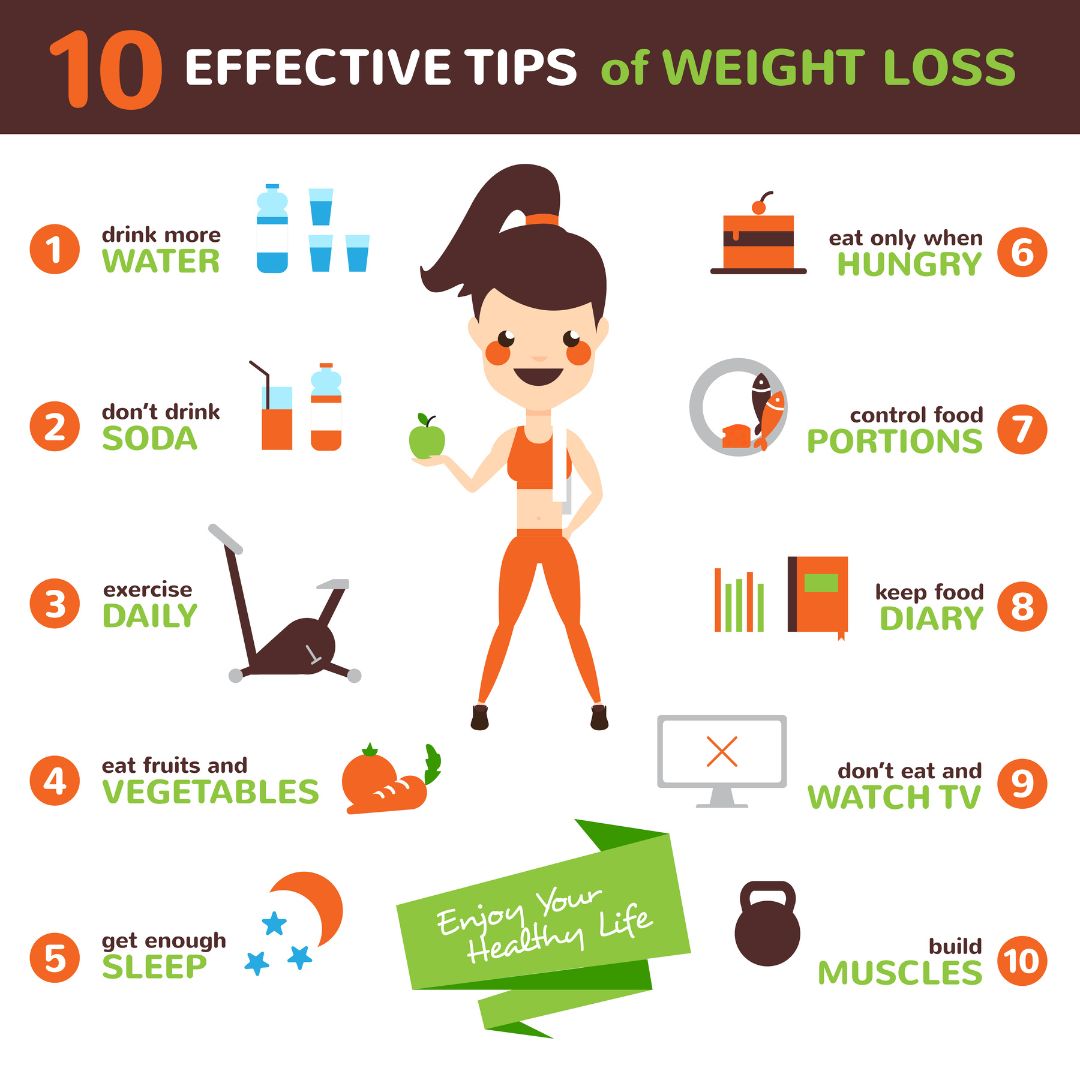
Maintaining healthier food patterns can transform how your body uses energy & supports steady weight loss goals. This guide on Healthy Eating Habits for Weight Loss: 10 Tips to Shed Pounds explains practical steps you can apply from today. Whether you are new to structured meal preparation or have tried other plans in the past, these suggestions will help you build routines, keep cravings in check, & boost vitamin & mineral intake. By making small changes such as balancing macronutrients & selecting fiber rich foods, you can enjoy each meal & still see progress toward dropping unwanted pounds. Adopting these changes gradually makes them easier to sustain over time, so you avoid the frustration of quick fixes that fade. Each tip is backed by research & experience, & you can mix & match based on personal taste & lifestyle.
1. Plan Balanced Meals in Advance
Planning meals before the week starts sets a clear path to limit impulsive choices that often derail progress. This approach lies at the heart of effective Healthy Eating Habits for Weight Loss: 10 Tips to Shed Pounds. When you map out breakfast, lunch, dinner, & snacks in advance, you control portion sizes & nutrient balance more effectively. Begin by selecting lean proteins, whole grains, & colorful vegetables, then adjust portion levels according to your daily calorie target. Keep ingredients simple so you won’t feel overwhelmed chopping or cooking on busy days. Use budget friendly items such as canned beans or frozen greens that last longer in the pantry or freezer. This simple practice cuts down on takeout orders & helps you stay aligned with your fat loss objectives.
Breakfast:
Quick oatmeal with berries or scrambled eggs with spinach.Lunch:
Turkey wrap with whole wheat tortilla & mixed greens.Dinner:
Baked salmon with steamed broccoli & brown rice.Snacks:
Carrot sticks with hummus, apple slices, or a small handful of nuts.
2. Control Portion Sizes
To support sustainable weight loss, measuring or visually estimating portion sizes ensures you stay within a calorie range that encourages fat reduction. Use measuring cups, a kitchen scale, or simple hand guides such as a closed fist for carbohydrates & a palm for protein. Eating on smaller plates can trick your mind into perceiving more food, boosting satisfaction while lowering actual intake. Listen to physical hunger signals & pause mid meal to gauge true fullness. Shifting focus from eating until stuffed to eating until comfortably satisfied helps maintain energy balance over time. Tracking portions also reveals trends that may explain plateaus or unexpected weight fluctuations.
| Food Group | Portion Guide |
|---|---|
| Lean Protein | 3–4 oz (palm size) |
| Whole Grains | ½ cup cooked (fist size) |
| Vegetables | 1 cup raw (two fists) |
| Healthy Fats | 1 tbsp (thumb tip) |
3. Prioritize Whole Foods Over Processed
Opting for whole foods rather than packaged or processed meals can have a notable impact on weight management & overall health. Whole items such as vegetables, fruits, whole grains, lean meats, & legumes offer naturally higher fiber & nutrient density without added sugars or excessive sodium. These attributes help stabilize blood sugar levels & reduce temptation for quick energy fixes from refined snacks. Choose fresh or frozen produce, & read labels to avoid hidden additives. Preparing vegetables in batches or keeping pre-cut portions available for quick meals reduces the urge to reach for convenience options. Over time, your taste preferences adapt to the freshness & simplicity of real ingredients.
Fruits & Vegetables
Whole Grains
Lean Proteins
Legumes & Nuts
Healthy Oils
4. Stay Hydrated Throughout the Day
Adequate water intake supports weight management by aiding digestion, regulating body temperature, & reducing the risk of confusing thirst with hunger. Drinking a glass of water before meals can curb overeating by creating a sense of fullness. Aim for at least eight 8-ounce glasses daily, adjusting for activity level & climate. Carry a refillable water bottle to maintain consistent hydration & consider infusing it with lemon slices or cucumber for added flavor without sugar. Proper fluid intake also improves exercise performance, helping you burn more calories during workouts. Tracking water consumption with an app or simple tally can reinforce the habit until it becomes second nature.
| Time of Day | Recommended Intake |
|---|---|
| Morning | 16 oz upon waking |
| Before Lunch | 8 oz 15 min prior |
| Afternoon | 8–16 oz between meals |
| Evening | 8 oz before dinner |
5. Include Protein in Every Meal
Adding a source of lean protein to each meal can boost the feeling of fullness & preserve muscle tissue during periods of calorie reduction. Protein-rich foods such as chicken breast, fish, beans, tofu, & Greek yogurt require more energy for digestion, which slightly increases calorie burn after eating. Spread protein consumption evenly across breakfasts, lunches, dinners, & snacks to avoid energy dips & reduce cravings between meals. Aim for 20–30 grams per main meal depending on your body size & activity level. This approach supports steady blood sugar levels & can help ensure that most of the weight you lose comes from fat rather than muscle.
"Maintaining consistency with balanced meals changed my life & helped me lose weight steadily." Koby Wilkinson
Eggs or Egg Whites
Cottage Cheese or Greek Yogurt
Lean Poultry or Fish
Plant-Based Proteins
Protein Shakes
6. Swap Refined Carbs for Whole Grains
Choosing whole grains instead of refined carbohydrates can help you feel satisfied longer & maintain more stable blood sugar. Options such as brown rice, quinoa, whole wheat pasta, oats, & barley offer fiber that slows digestion & encourages gradual energy release. Limit white bread, pastries, sugary cereals, & most traditional snack cakes. When shopping, look for “100% whole grain” on the label & avoid items with added sugar high on the ingredient list. Gradual substitution rather than an abrupt switch helps adapt taste buds without feeling deprived. Over time, your palate changes, & you may crave whole grain textures over processed alternatives.
| Refined Carb | Whole Grain Swap |
|---|---|
| White Rice | Brown Rice or Wild Rice |
| White Bread | 100% Whole Wheat Bread |
| Regular Pasta | Whole Wheat or Legume Pasta |
| Sugary Cereal | Oats or Muesli |
7. Practice Mindful Eating
Slowing down & focusing on each bite can lead to reduced calorie intake & increased enjoyment of meals. Before starting, turn off distractions like television or smartphones. Chew thoroughly & pause between bites, paying attention to aroma, texture, & flavor. Notice physical cues when you begin feeling full, & stop eating at that point rather than clearing your plate by habit. This method can break patterns of unconscious overeating that build up over weeks & months. Over time, you’ll learn to appreciate smaller portions & recognize the difference between hunger, boredom, or emotional triggers prompting you to eat.
Eliminate Distractions
Chew Slowly
Pause Mid-Meal
Identify Fullness Signals
Savor Each Flavor
8. Limit Added Sugars & Empty Calories
Reducing intake of sugary beverages, processed sweets, & dessert items high in added sugars can cut hundreds of calories without compromising nutrition. Sugar sweetened drinks provide little satiety compared to solid foods & can provoke rapid blood sugar swings leading to increased cravings. Swap sodas & fruit juices for infused water or unsweetened tea. Enjoy dark chocolate in moderation & replace candy with fresh berries or a baked fruit crisp sweetened lightly with honey. Checking ingredient lists for hidden sugars like corn syrup or maltodextrin ensures you stay informed about sources of extra calories that may go unnoticed.
| High-Sugar Item | Better Option |
|---|---|
| Soda | Sparkling Water with Lemon |
| Candy Bar | Dark Chocolate Square |
| Sweetened Yogurt | Plain Greek Yogurt + Fruit |
| Fruit Juice | Whole Fruit |
9. Snack Smart with Nutrient-Dense Choices
Choosing snacks that provide a mix of protein, healthy fats, & fiber helps stabilize energy & prevents overeating at mealtime. Instead of chips or cookies, prepare small portions of trail mix, sliced vegetables with hummus, or whole grain crackers topped with avocado. Pre portion serving sizes into reusable containers or bags so you avoid mindless nibbling straight from a large pack. Combining macronutrients in snacks sustains fullness longer than simple carbohydrate options. Planning snacks ahead also reduces the chance of grabbing whatever is on hand & can help keep daily calories on track without feeling like you are missing out on tasty bites.
Greek Yogurt with Berries
Apple Slices & Peanut Butter
Cottage Cheese & Pineapple
Mixed Nuts & Seeds
Baby Carrots & Guacamole
10. Track Progress & Adjust Over Time
Consistency in recording meals, body measurements, or weight gives you clear data to evaluate what works best. Use a food journal, mobile app, or simple spreadsheet to track daily intake & monitor trends weekly. If progress stalls, review your logs to find opportunities for adjustments such as trimming extra oils or reducing portion sizes slightly. Celebrating non scale victories like improved energy, better sleep, or looser fitting clothing reinforces your commitment. Periodic reviews ensure the plan grows with your changing needs & prevents guesswork. Adapting your approach based on real results helps maintain realistic goals & sustainable habits for lasting success.
| Metric | Tracking Method |
|---|---|
| Daily Intake | Mobile App or Journal |
| Weight | Weekly Scale Check |
| Measurements | Monthly Tape Measure |
| Energy Levels | Daily Journal Note |
As someone who embraced Healthy Eating Habits for Weight Loss: 10 Tips to Shed Pounds strategies, I noticed how planning balanced meals & tracking portions truly made a difference in my own process. I found that replacing sugary snacks with whole fruit satisfied cravings without regret. I often prepared colorful vegetable bowls ahead of busy days & felt more energized than ever. This focused approach helped me lose fifteen pounds over ten weeks & sparked a passion for nurturing both body & mind through smart nutrition choices.
FAQ
What is the easiest way to start meal planning?
Begin by choosing one or two days a week to prepare lunches or dinners in bulk. Use a simple template that includes lean protein, a whole grain, & a vegetable. Over time, increase the variety & try weekend prep for breakfasts & snacks.
How can I curb sugar cravings effectively?
Pair sweet foods with protein or fiber, such as Greek yogurt & berries. Drinking water before reaching for dessert can also reduce sudden urges. Planning a small treat after a satisfying meal keeps cravings in check without overindulgence.
Is calorie counting necessary for long term success?
While strict calorie counting can help in early phases, transitioning to mindful portion control often sustains healthy eating over the long term. Tracking periodically ensures you stay on course without feeling restricted daily.
Conclusion
Adopting a set of consistent habits such as planning meals, controlling portions, & choosing whole foods builds a strong foundation for lasting weight loss. These ten tips provide a flexible framework that adapts to personal preferences & schedules. The most important step is to start with one habit & add others gradually, so healthy eating becomes a natural part of daily life. Over time, you will notice improvements in energy, mood, & overall wellness as undesired pounds disappear steadily.
