
Healthy Eating Guide: Simple Balanced Diet Tips for Nutritious Meals. Get a Healthy Eating Guide full of simple balanced diet tips for tasty, nutritious meals that boost energy.
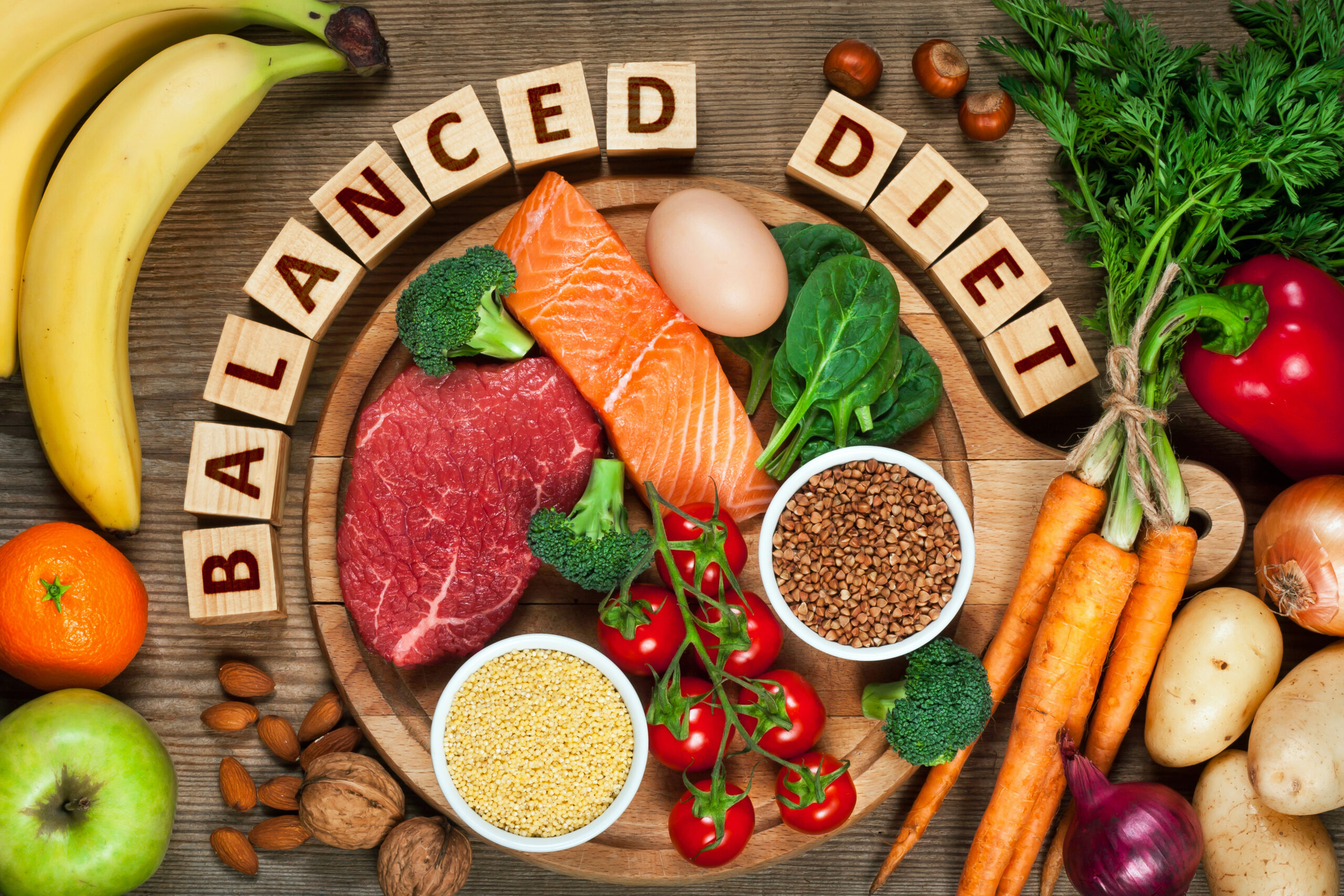
Welcome to this comprehensive Healthy Eating Guide: Simple Balanced Diet Tips for Nutritious Meals, where you’ll discover practical strategies & actionable advice to make smart food choices every day. Eating well doesn’t have to be complicated or overwhelming. By focusing on a balanced mix of macronutrients like proteins, carbohydrates, & fats, along with essential vitamins & minerals, you can fuel your body for optimal energy & well-being. Throughout this article, you will find detailed explanations, step-by-step approaches, real examples, & visual layouts including tables & lists to help you implement these tips right away. Whether you’re a busy professional, an active parent, or simply someone seeking a healthier lifestyle, these straightforward methods will empower you to craft nutritious meals that taste great & support your goals.
Macronutrients: Building Blocks of a Nutritious Plate
Understanding & balancing macronutrients proteins, carbohydrates, & fats is essential in any Healthy Eating Guide: Simple Balanced Diet Tips for Nutritious Meals. Proteins support muscle repair & immune function, carbohydrates provide energy, & healthy fats aid nutrient absorption & hormone production. Aim for roughly one-quarter of your plate to contain lean proteins such as chicken breast, beans or tofu. Fill another quarter with whole grains like brown rice or quinoa, & reserve half of the plate for colorful vegetables & fruits. Balancing portions ensures you never overconsume one category while missing out on another. This balanced approach stabilizes blood sugar, keeps hunger at bay, & maintains long-term energy. Combining these macronutrients in every meal helps you feel satisfied longer & reduces the temptation to snack on less nutritious options.
| Macronutrient | Daily Target | Food Sources |
|---|---|---|
| Protein | 15–25% of calories | Chicken, fish, legumes |
| Carbs | 45–65% of calories | Whole grains, fruits, vegetables |
| Fats | 20–35% of calories | Avocado, nuts, olive oil |
Micronutrients: Vitamins & Minerals for Vital Health
While macronutrients form the foundation of your calorie intake, micronutrients are equally crucial for maintaining health. Vitamins A, C, D, E, K, & the eight B vitamins support immunity, vision, brain function, & energy metabolism. Minerals like calcium, magnesium, potassium, & iron strengthen bones, regulate fluid balance, & transport oxygen in your blood. To cover your micronutrient needs, diversify your plate with dark leafy greens, citrus fruits, dairy or fortified plant milks, nuts, seeds, & lean meats. Eating a rainbow of fruits & vegetables each day ensures you obtain a broad spectrum of nutrients without resorting to excessive supplementation. Pairing iron-rich foods with vitamin C boosters like bell peppers or strawberries enhances absorption, making every bite more effective.
- Leafy greens (spinach, kale) for iron, calcium, vitamin K
- Citrus fruits (oranges, lemons) for vitamin C & antioxidants
- Nuts & seeds (almonds, chia) for magnesium, vitamin E
- Lean proteins (turkey, fish) for B12 & zinc
- Dairy or fortified alternatives for calcium & vitamin D
- Colorful peppers for vitamin A & C synergy
Meal Structure: Planning Balanced Plates Easily
Structuring meals in advance can transform healthy eating from a vague goal into a consistent habit. Start by selecting your protein, carb, & vegetable portions, then add a small amount of healthy fat. A simple weekly planner or mobile app helps you rotate recipes, reducing decision fatigue. For breakfast, try Greek yogurt with berries & a sprinkle of flaxseed. Lunch could feature a turkey wrap with mixed greens, whole grain tortilla & hummus. Dinners might include salmon, roasted sweet potatoes, & steamed broccoli. Batch-cooking grains or proteins on weekends saves time. Label & date containers in your fridge so you always have an easy grab-&-go option. Consistent meal timing every three to four hours supports metabolism & prevents impulsive snacking on less nutrient-dense foods.
| Meal | Protein | Carbs | Veggies/Fruits |
|---|---|---|---|
| Breakfast | Egg whites | Oats | Berries |
| Lunch | Chicken | Quinoa | Mixed salad |
| Dinner | Salmon | Sweet potato | Asparagus |
Smart Snacking Strategies for Steady Energy
Healthy snacks can bridge the gap between meals & stabilize blood sugar while preventing overeating. Aim for combinations of protein, fiber, & healthy fats to keep you satisfied think apple slices with almond butter, a handful of mixed nuts, or Greek yogurt with chia seeds. Pre-portion snacks into small containers to avoid mindless munching straight from a large bag. Keep options visible in your pantry or refrigerator so you’re more likely to choose them when hunger strikes. If you travel or have a long workday ahead, pack a small cooler with cut vegetables & hummus or a protein shake. This simple habit ensures that you maintain consistent energy levels & supports better overall food choices throughout the day.
- Carrot sticks with hummus
- Cottage cheese & pineapple chunks
- Rice cakes with peanut butter & banana
- Hard-boiled eggs & cherry tomatoes
- Protein bars with minimal added sugar
Hydration & Beverage Choices for Optimal Wellness
Proper hydration is often overlooked but plays a critical role in digestion, temperature regulation, & joint health. Aim to drink at least eight glasses of water daily, adjusting for activity level & climate. Infuse water with cucumber, mint, or citrus slices for a refreshing twist without added sugars. Limit sugary sodas, energy drinks, & excessive caffeine, as these can lead to energy crashes & dehydration. Herbal teas, sparkling water, & diluted fruit juice are healthier alternatives. Carry a reusable water bottle everywhere, setting reminders or using apps to sip regularly. Remember that thirst may masquerade as hunger, so staying well-hydrated can help prevent unnecessary snacking & support your balanced diet goals.
| Beverage | Benefits | Notes |
|---|---|---|
| Water | Hydration, no calories | Add fruits for flavor |
| Green tea | Antioxidants, light caffeine | Best unsweetened |
| Sparkling water | Hydration, fizzy alternative | Check sodium content |
| Herbal tea | Calming, caffeine-free | Varied flavors |
Mindful Eating & Portion Control Techniques
Practicing mindfulness during meals helps you tune into hunger & fullness signals, reducing overeating. Before eating, pause & take three deep breaths to center yourself. Chew slowly aim for 20–30 chews per bite & put your fork down between mouthfuls to savor flavors. Use smaller plates or bowls to automatically control portions, & avoid eating in front of screens or while standing. Pay attention to textures, aromas, & tastes, noticing when satisfaction reaches about 80% rather than 100%. This slight pause in fullness allows digestion space & supports weight management. Over time, you’ll develop more trust in your body’s signals & feel more satisfied without needing large quantities, aligning perfectly with the goals of this Healthy Eating Guide: Simple Balanced Diet Tips for Nutritious Meals.
- Take deep breaths before meals
- Chew thoroughly & savor textures
- Use smaller dishes for portion control
- Pause halfway to assess fullness
- Avoid distractions like TV or phones
I remember a time when I would rush through meals without noticing what I ate. Once I applied these mindful practices, I became more aware of my body’s signals, felt genuinely satisfied, & saw a positive change in my energy levels & weight management.
Overcoming Common Dietary Challenges & Staying Consistent
Adhering to healthy eating isn’t without obstacles social events, travel, busy schedules, or cravings can throw you off track. To stay consistent, prepare go-to snack packs, research menus in advance when dining out, & don’t skip meals. If you crave sweets, satisfy it with a single square of dark chocolate rather than a large dessert. In times of stress or boredom, find alternative activities like walking, journaling, or calling a friend instead of reaching for snacks. Enlist an accountability partner or join a community for support & recipe ideas. Track your progress in a simple journal note meals that worked well & moments of temptation. By planning ahead & setting flexible but clear guidelines, you can navigate detours without feeling deprived or discouraged.
“A balanced diet approach that is simple yet well-structured can transform health outcomes more sustainably than short-term fad diets.” Mrs. Marietta Kling V.
| Challenge | Strategy |
|---|---|
| Busy schedule | Meal prep on weekends |
| Dining out | Check menu ahead, choose grilled options |
| Sugar cravings | Swap fruit or dark chocolate |
| Social gatherings | Offer to bring a healthy dish |
FAQ
What are the basic components of a balanced diet?
A balanced diet includes an appropriate mix of proteins, carbohydrates, healthy fats, vitamins, & minerals. Filling half your plate with fruits & vegetables, one-quarter with lean proteins, & one-quarter with whole grains ensures a well-rounded meal. Drinking plenty of water & including healthy snacks helps maintain steady energy levels.
How often should I eat to maintain energy?
Eating every three to four hours three main meals & two healthy snacks helps stabilize blood sugar & prevent extreme hunger. Consistent timing supports metabolism, reduces cravings for high-sugar or high-fat foods, & keeps your energy levels balanced throughout the day.
Can I still enjoy treats while following this guide?
Yes. Allowing yourself occasional treats in moderation prevents feelings of deprivation. Opt for quality over quantity enjoy a square of dark chocolate or a small dessert & pair it with mindful eating techniques. Balance these choices with nutrient-dense meals to maintain overall progress.
Conclusion
This Healthy Eating Guide: Simple Balanced Diet Tips for Nutritious Meals offers a straightforward blueprint for making lasting improvements to your diet. By focusing on macronutrients, ensuring a variety of micronutrients, structuring meals consciously, choosing smarter snacks, staying hydrated, practicing mindful eating, & overcoming common hurdles, you can develop habits that support long-term health. Consistency & flexibility are key adjust portions, ingredients, & timings to fit your lifestyle. Armed with these practical tips & examples, you’re ready to take actionable steps toward more balanced, nutrient-powered meals every day. Start small, stay patient, & celebrate each success on your path to better wellness.
 Credit : online